If you have ever typed “Why does my charger get hot” into Google after touching a burning adapter, you are not alone. It is one of the most common safety concerns for smartphone users.
While some warmth is expected, distinguishing between a normal warm adapter and a situation where a charger gets too hot to touch is critical for your safety. In this guide, we will troubleshoot charger overheating issues, explore safe charging practices for smartphones, and help you understand the differences between genuine and third-party chargers.
Why Does My Charger Get Hot? The Science Explained
To understand why this happens, we need to look at the physics. Your phone charger acts as a power converter, transforming high-voltage AC electricity from your wall into low-voltage DC electricity for your battery.
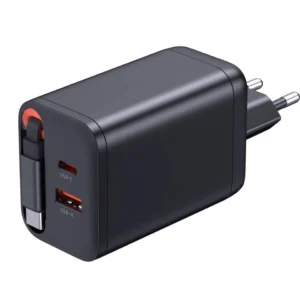
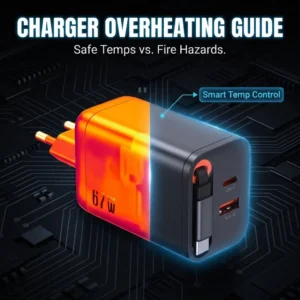
No converter is 100% efficient. The energy lost during this conversion dissipates as heat. However, modern technology is improving this. For example, if you use What is a PD Charger?, the power negotiation is smarter, but high speeds still generate warmth. This is why leading manufacturers like Imia Power are switching to advanced Gallium Nitride (GaN) technology. Read our guide on Why Are GaN Chargers Smaller? to understand how our high-quality adapters, such as the 67W model featured above, handle heat better and ensure maximum safety.
Normal Warmth vs. Dangerous Overheating
How do you know if you are facing phone charger overheating risks and safety tips or just normal operation?
-
Normal: The charger is warm but comfortable to hold. It gets warmest during the first 50% of the charge cycle (Constant Current phase).
-
Dangerous: The charger gets too hot to touch. If you smell melting plastic, hear a buzzing sound, or see physical damage on the charging cable, unplug it immediately to assist in preventing phone charger damage.
Common Causes & Overheating iPhone Charger Remedy
If your adapter is consistently running too hot, one of these factors is likely the culprit:
1. High Power Demands
Newer phones draw massive power. Users often report iPhone 14 Pro Max charger issues where the brick gets hot. This is because the phone is pulling the maximum wattage the charger can provide. This underscores the need for choosing quality phone quick chargers. To learn more about how we ensure safety under high loads, read about our EVT Testing for USB-C Charging Bricks: How GaN Ensures Fast, Safe Power
2. The Dangers of Overheating Chargers in Fast Charging
Fast charger technology pushes voltage higher. The dangers of overheating chargers in fast charging usually arise when using an uncertified charger. Always look for certifications (UL, ETL, CE) charger . Quality control is the only thing standing between a safe charge and a fire hazard.
3. Poor Ventilation & Usage Habits
You should never charge your device under a blanket or pillow. Electronics need airflow. Additionally, avoid “pass-through” charging (gaming while charging) to maximize high-performance charger heat management.
💡 [B2B Sourcing Alert] Looking for Safe, Certified Chargers for Your Brand?
Overheating is a major concern for consumer safety. As a professional source manufacturer, Imia Power specializes in premium GaN charging solutions—from popular 67W models to advanced 140W series—equipped with Smart Temp Control. We provide highly reliable products for wholesale and OEM clients globally. 👉 [Contact Us for Wholesale Pricing & OEM Solutions]
How to Prevent Charger Overheating
Here are pro tips for protecting devices from charger overheating:
-
Check your cables: A damaged cable causes resistance.
-
Use the right mode: For accessories, look for low current mode charging safety features.
-
Keep it clean: Follow our USB-C charger overheating prevention tips by keeping ports free of dust.
Conclusion
So, why does my charger get hot? Usually, it’s physics. But if it burns your hand, it’s a warning sign. By following safe charging practices for smartphones and prioritizing charger safety, you can enjoy fast speeds without the risk. Choosing a charger with excellent thermal management is crucial. If you are a distributor or brand looking for a trustworthy power supply manufacturer, Imia Power provides top-tier OEM and wholesale charging solutions that meet strict global safety standards. Let’s build safer charging experiences together. 👉 [Get a Quote Today]