Blog

multi-port GaN charger manufacturer

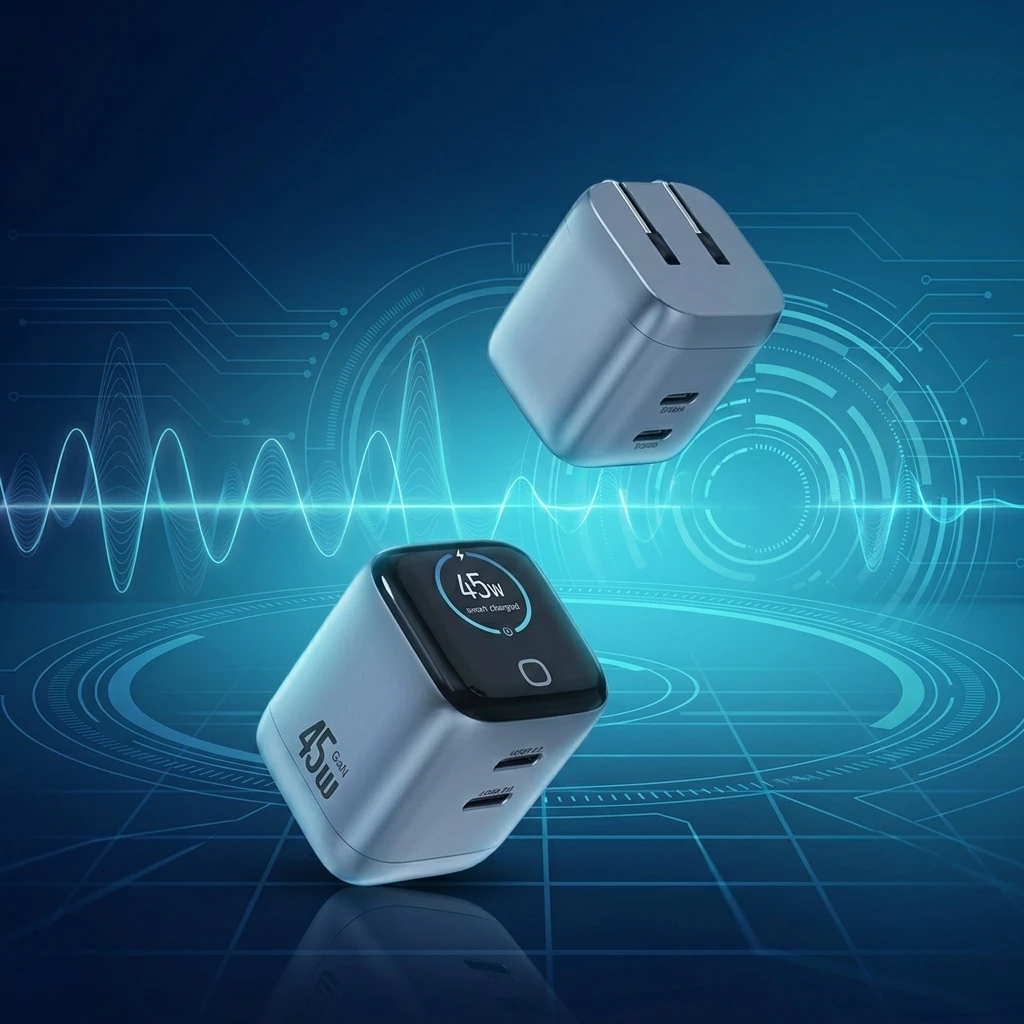
R&D Insights from a Multi-Port GaN Charger Manufacturer: Solving Power & Protocol Bugs

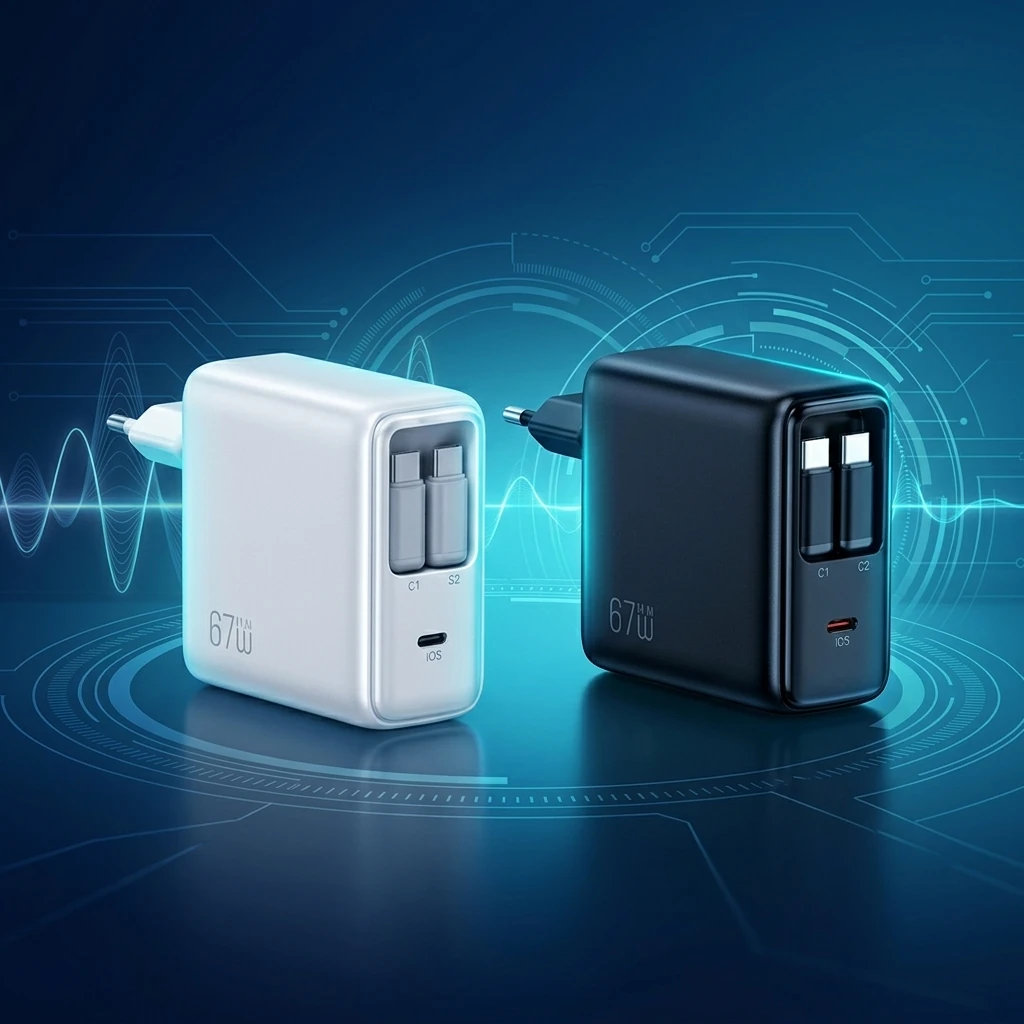
As a professional multi-port GaN charger manufacturer, we understand that creating an outstanding Gallium Nitride (GaN) fast charger goes far beyond simply stacking high-end components; it requires deep refinement of the MCU (Microcontroller Unit) underlying logic. In real-world applications by B2B buyers and end-users, chargers face working conditions far more complex than theoretical environments. Today,

R&D Insights from a Multi-Port GaN Charger Manufacturer: Solving Power & Protocol Bugs Read More »

Custom GaN charger OEM

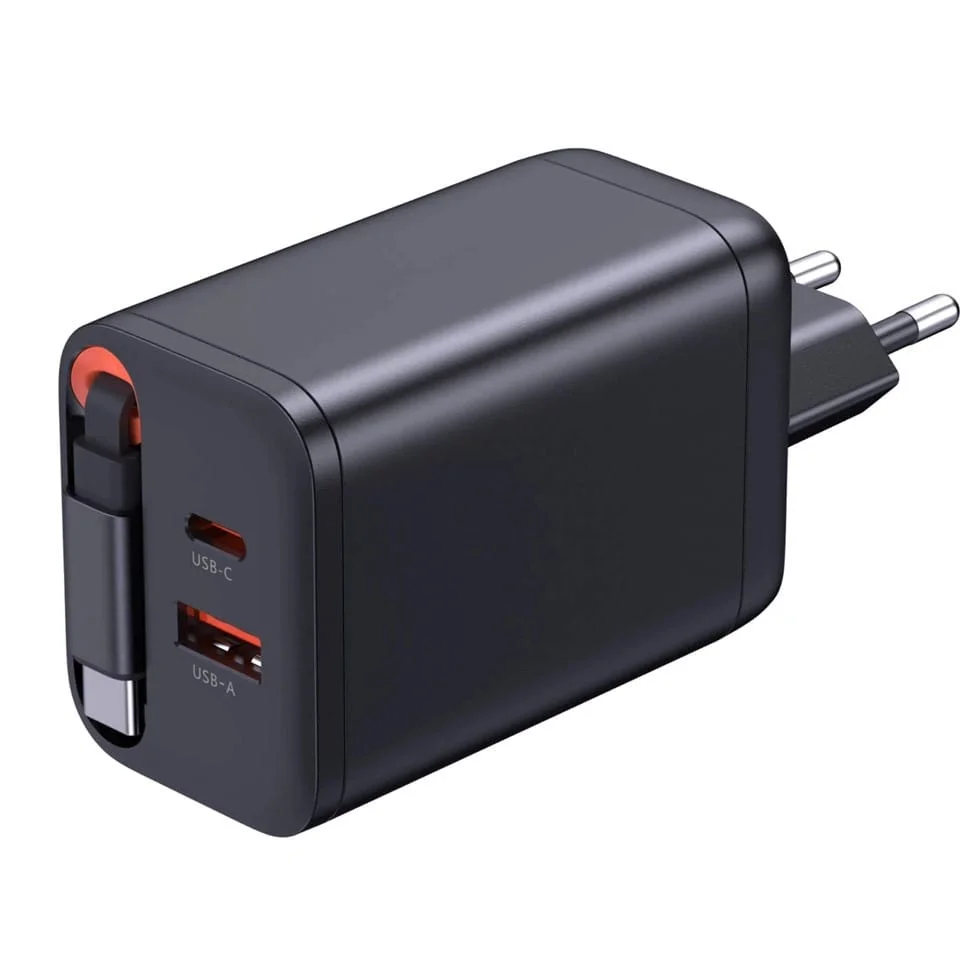
How We Ensure 100% Safety and Compatibility as a Custom GaN Charger OEM

When sourcing premium power products globally, finding a reliable custom GaN charger OEM is critical. The biggest hidden risk for B2B buyers is rarely a cosmetic defect. It is usually “charging failure” due to protocol incompatibility, or worse, device damage caused by thermal control failure. For high-power devices, packing tens or even over a hundred

How We Ensure 100% Safety and Compatibility as a Custom GaN Charger OEM Read More »

Fast Charger R&D

Behind the Scenes of Fast Charger R&D: The PCBA Dispensing Process

When it comes to Fast Charger R&D, overseas buyers typically focus on power density, aesthetic design, and standard safety certifications. However, the true determinant of whether a power supply will survive years of high-frequency use lies in the unseen manufacturing details on the PCBA (Printed Circuit Board Assembly). Today, we are taking you straight to

Behind the Scenes of Fast Charger R&D: The PCBA Dispensing Process Read More »

USB-A port

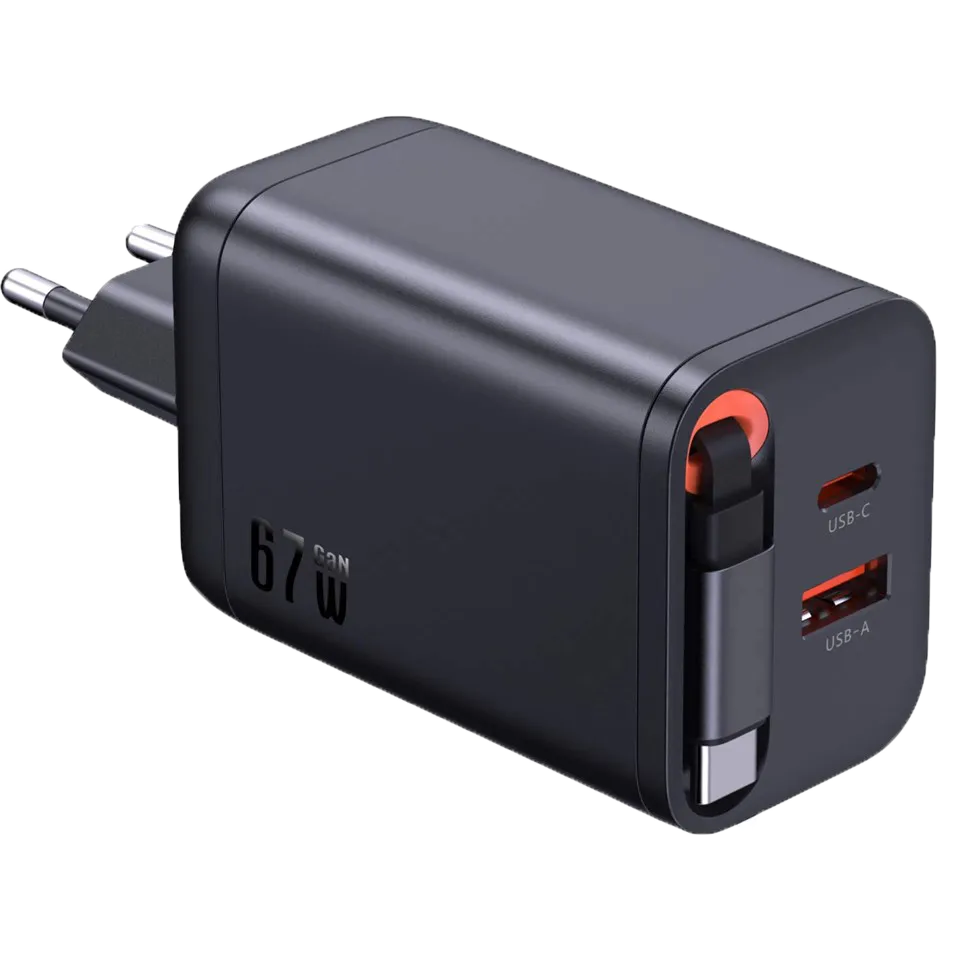
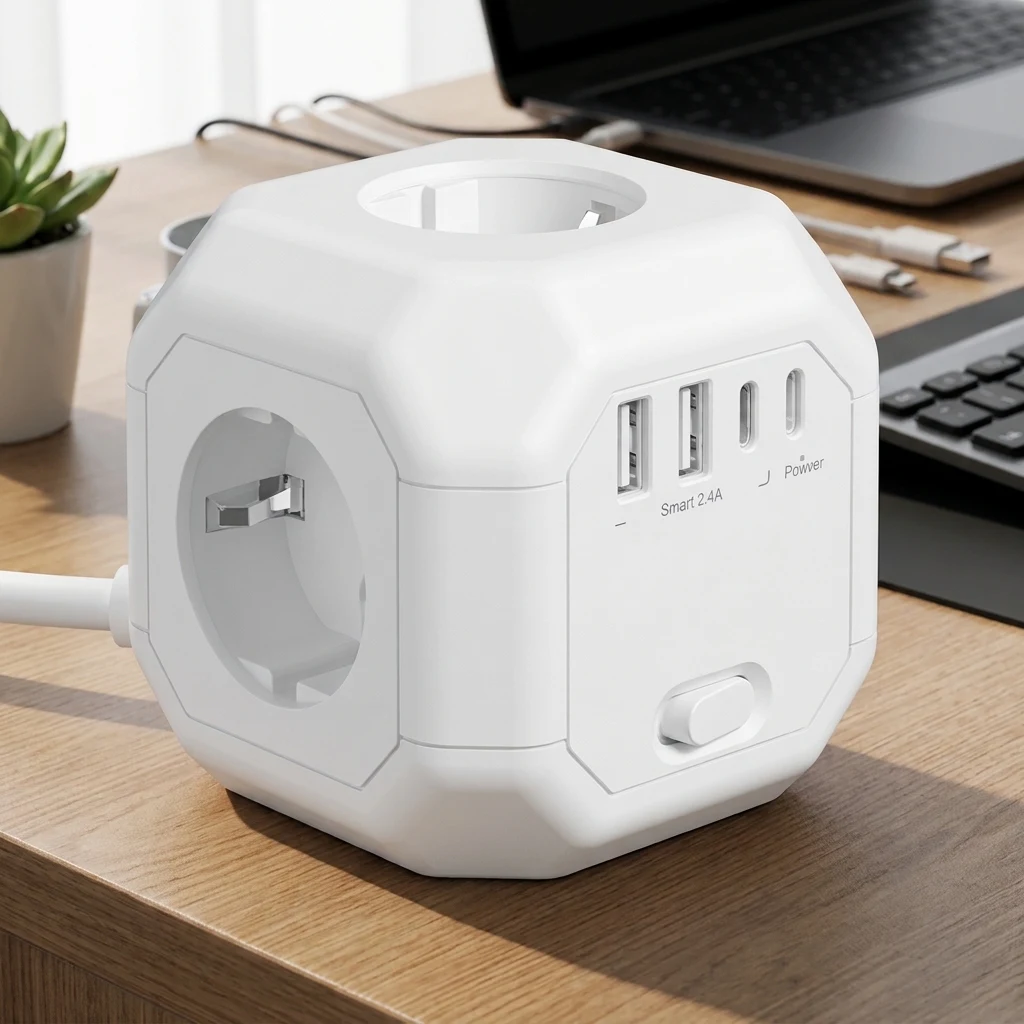
Why Is Type-C Everywhere, Yet Power Strips Still Keep the USB-A Port?

If you look at the tech market today, Type-C has practically taken over. From phones to laptops, everyone is praising fast charging. However, if you look at your new smart power strip or a desktop charger, you will notice something odd. They stubbornly retain the old-school USB-A port. Why keep the USB-A port when Type-C

Why Is Type-C Everywhere, Yet Power Strips Still Keep the USB-A Port? Read More »

English