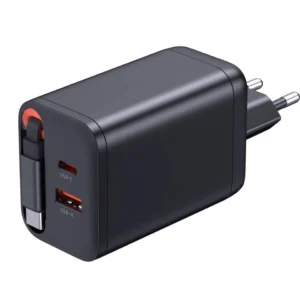
Bei der Entwicklung von Schnellladegeräten konzentrieren sich ausländische Käufer typischerweise auf Leistungsdichte, ästhetisches Design und gängige Sicherheitszertifizierungen. Der wahre Faktor für die Langlebigkeit eines Netzteils im Dauereinsatz liegt jedoch in den unsichtbaren Fertigungsdetails der Leiterplatte (PCBA). Heute nehmen wir Sie mit direkt an die Produktionslinie, um einen entscheidenden, aber oft übersehenen Schritt in der Entwicklung von Schnellladegeräten zu beleuchten: den Dosierprozess..
Die Rolle der Silikondosierung in der Forschung und Entwicklung von Schnellladegeräten
Im Inneren eines hochwertigen Ladegeräts bemerkt man sorgfältig aufgetragenes weißes Silikon zwischen den elektronischen Bauteilen.. Bei den für die Entwicklung fortschrittlicher Schnellladegeräte typischen, hochkompakten und leistungsstarken Designs erfüllt dieses Verfahren – bei dem handelsüblicher weißer Silikonkleber 704 verwendet wird – zwei wichtige Zwecke:
-
Physische Verankerung: Reiseadapter und Wandladegeräte sind häufigen Stößen und Vibrationen ausgesetzt. Durch präzises Einstecken werden wichtige Bauteile und Jumperkabel fest mit dem Außengehäuse verbunden und so mechanische Beschädigungen verhindert..
-
Isolierung und Feuchtigkeitsschutz: Der Weißleim 704 dient als robuste dielektrische Barriere.. Es verhindert interne Kurzschlüsse und schützt kritische Lötstellen vor Feuchtigkeit und Staubablagerungen.
Die rote Linie in der Schnellladegerät-Forschung und -Entwicklung: Der NTC-Thermistor
Das Auftragen des Klebstoffs ist zwar für die strukturelle Integrität unerlässlich, muss aber mit äußerster Präzision erfolgen. Unsere Standardarbeitsanweisung (SOP) enthält eine strikte Fertigungsvorgabe: Der weiße Klebstoff darf den NTC-Thermistor (Negativer Temperaturkoeffizient) niemals bedecken..
Der NTC-Sensor fungiert als Temperaturwächter des Ladegeräts. Ein zentraler Aspekt der Forschung und Entwicklung von Schnellladegeräten ist die Gewährleistung, dass der NTC-Sensor bei einem Temperaturanstieg im Inneren während eines Ladevorgangs mit hoher Leistung diesen erkennt und den Überhitzungsschutzmechanismus auslöst. Da 704-Silikon wärmeisolierende Eigenschaften besitzt, wird der Sensor durch die Abdeckung des NTC-Sensors damit effektiv “abgeschirmt”.. Diese verzögerte Temperaturerkennung könnte verhindern, dass die Sicherheitsmechanismen rechtzeitig aktiviert werden, wodurch eine erhebliche Überhitzungsgefahr entsteht.
Präzisions-Wärmemanagement
Exzellente Fertigung setzt voraus, dass die richtigen Materialien an den exakt richtigen Stellen eingesetzt werden. In unserer Forschungs- und Entwicklungsabteilung sowie in unseren Montagelinien für Schnellladegeräte ist das Wärmemanagement ein hochentwickeltes System:
-
Zur Isolierung und Verankerung: Wir verwenden Weißleim 704 und achten streng darauf, dass kein Leim austritt oder ausläuft, der die Ultraschallschweißnaht berühren oder außerhalb des Hauptkörpers gelangen könnte..
-
Zur Wärmeableitung: Wir verwenden eine spezielle Wärmeleitpaste mit einer Wärmeleitfähigkeit von 1,0, um die Wärme effizient von kritischen Bereichen abzuleiten..
Darüber hinaus wird jedes Halbfertigprodukt, das diese Sichtprüfung nicht besteht, sofort markiert und in einem dafür vorgesehenen roten Behälter isoliert, um sicherzustellen, dass keine fehlerhaften Produkte an die nächste Station gelangen..
Für Marken, die OEM-Stromversorgungsprodukte beziehen möchten, geht die Wahl eines zuverlässigen Fertigungspartners über den reinen Vergleich der Stücklistenkosten hinaus. Die sorgfältige Umsetzung der Produktionsdetails garantiert die Produktzuverlässigkeit. Wir suchen einen erfahrenen Partner im Bereich Forschung und Entwicklung von Schnellladegeräten.Kontaktieren Sie unser Ingenieurteam, um maßgeschneiderte Fertigungslösungen für Ihr nächstes Premium-Projekt zu besprechen.